🔑 Key Information
Activity ⭐️ Title
Evidence-based approach in Erasmus+ and European Solidarity Corps: Innovations in Research, Research on Innovations
🇪🇺 What is Erasmus+? Erasmus+ is the EU's programme for education, training, youth and sport, with a €26.2 billion budget for 2021–2027. It funds study abroad, internships, youth exchanges, training courses and youth worker mobility. This overview covers who is eligible, every activity type and what's funded. 👉 https://youthworkshub.org/erasmusplus
Activity 🔶 Type | 📆 Dates | 📍Location
Conference – Symposium - Forum
25-26 November 2026 | Warsaw, Poland
❗️What Is This Training About?
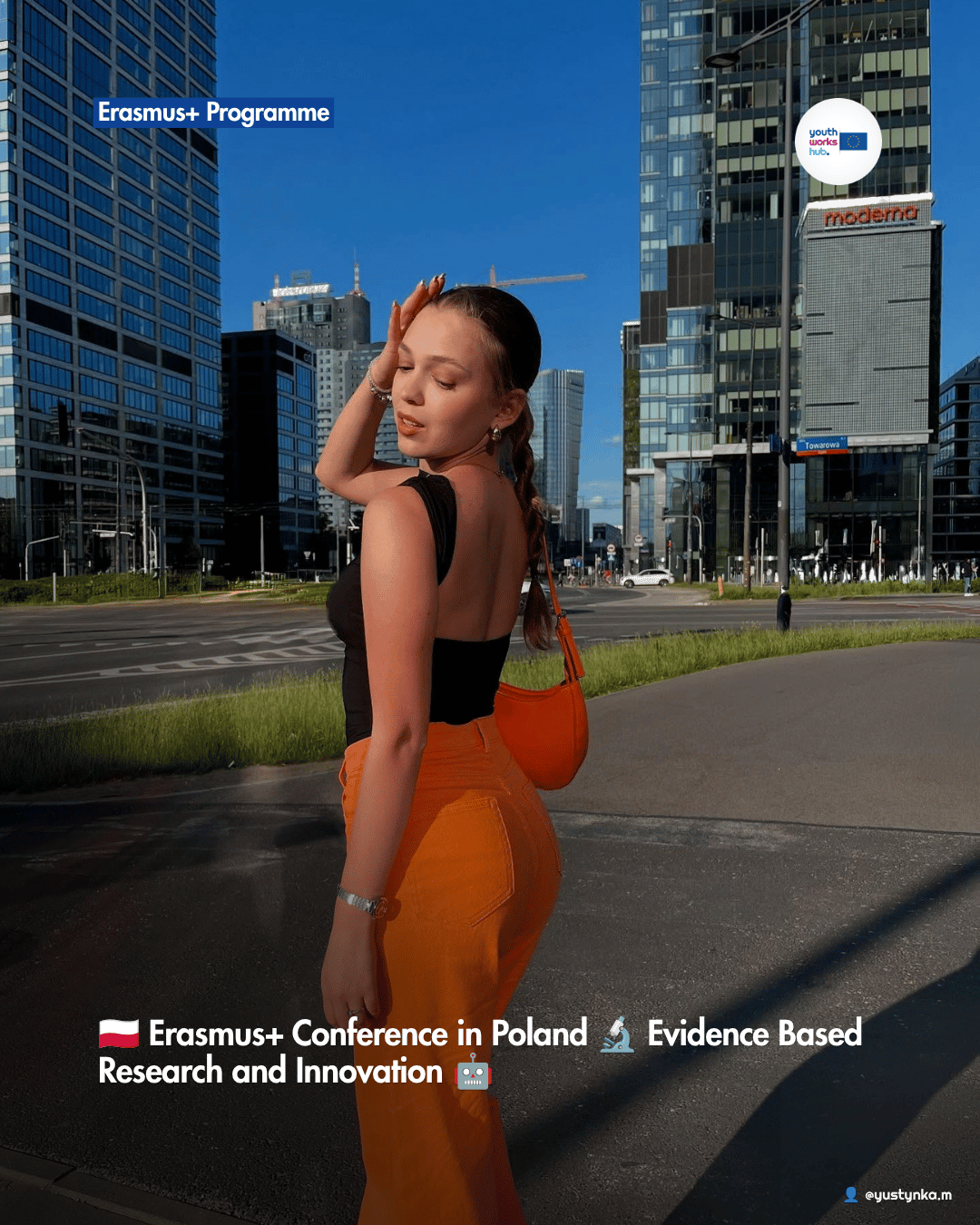
The 10th, anniversary edition of the international conference “Evidence-Based Approach in Erasmus+ and the European Solidarity Corps”. This year’s edition comes at a time when reflection on the future of Erasmus+ (2028–2034) is gaining momentum.
✅ Who can apply for Erasmus+ and ESC? Eligibility depends on activity: ages 13–30 for most Erasmus+ youth activities and 18–30 for ESC volunteering (up to 35 for humanitarian aid), plus country and residence rules. This guide covers roles, inclusion support, language needs and the profile coordinators look for. 👉 https://youthworkshub.org/whocanapply
ℹ️ Description About The Opportunity
How can innovation and research help shape a more effective, inclusive and impactful Erasmus+ and the European Solidarity Corps? What innovative methods are being used in research, and how can innovation in education and mobility programmes be studied and better understood?
The 10th, anniversary edition of the international conference “Evidence-Based Approach in Erasmus+ and the European Solidarity Corps” will take place on 25–26 November 2026 in Warsaw, Poland. This year’s edition, held under the theme “Innovations in Research, Research on Innovation”, comes at a time when reflection on the future of Erasmus+ (2028–2034) is gaining momentum.
The event will bring together researchers, educators, policymakers and civil society representatives to explore innovative research methodologies and approaches, including the increasingly widespread use of artificial intelligence (AI) in educational and social research. Participants will examine both how innovation is applied in research practice and how to study innovation itself - including the challenges of defining, measuring and evaluating innovative practices within Erasmus+ and the European Solidarity Corps.
Discussions will highlight how combining innovation, AI-driven tools and evidence-based approaches can strengthen the quality, relevance and impact of these programmes.
Who should attend?
This conference is addressed to:
- Researchers, academics and policy analysts
- NA staff
- Policy makers
- Erasmus+ project coordinators and practitioners
- Representatives of public institutions and NGOs
- Anyone interested in the future of European education cooperation and the idea of evidence-based policy making
Join us in Warsaw and help shape the future of Erasmus+ through knowledge, dialogue and collaboration!
You can find more information about the conference here.
📘 What is Erasmus+? (in-depth) Erasmus+ has run since 1987 and has had over 13 million participants, funding four main activities for young people. This pillar guide covers its history, funding, research-backed benefits, the full application process and an FAQ. 👉 https://youthworkshub.org/what-is-erasmus-plus
Training overview
This Conference – Symposium - Forum is
for 120 participants
from Eastern Partnership countries  , Erasmus+ Youth Programme countries , Southern Mediterranean countries , Western Balkan countries
and recommended for
Youth workers, Youth project managers, Youth policy makers, Youth researchers
Accessibility info:
This activity and venue place are accessible to people with disabilities.
Working language(s):
English
Organiser:
Foundation for the Development of the Education System (National Agency)
💡 How do you prepare a strong Erasmus+ or ESC application? Read the call carefully, write specific motivation, show skills with examples, and state clear learning goals. This guide gives 10 practical tips plus the common mistakes that lead to rejection. 👉 https://youthworkshub.org/erasmus-application-tips
📥 Contact
Contact for questions:
Emil Al-Khawaldeh
E-Mail:
Phone: +48511569759
💶 Costs
Participation fee
This project is financed by the participating National Agencies (NAs) of the Erasmus+ Youth in Action Programme. The participation fee varies from country to country. Please contact your National Agency or SALTO Resource Centre (SALTO) to learn more about the participation fee for participants from your country.
Accommodation and food
Polish National Agency will organise the accommodation and covers the costs for accommodation and food.
Travel reimbursement
Please contact your NA or SALTO in order to know whether they would support your travel costs. If yes, after being selected, get in touch with your NA or SALTO again to learn more about the overall procedure to arrange the booking of your travel tickets and the reimbursement of your travel expenses.
📜 Certificate
Participants are entitled to receive a Youthpass certificate from the organiser, for recognition of their competence development during the activity. Read more about Youthpass:
https://youthworkshub.org/what-is-youthpass
⚠️ Important Dates
Application deadline (24h UTC): 20 September 2026
Date of selection: 5 October 2026
🎓 What is an Erasmus+ Training Course? A Training Course is a short funded course (5–10 days) for youth workers, educators and NGO staff to build skills through non-formal education. This guide explains who can join, what's covered and how it differs from a Youth Exchange. 👉 https://youthworkshub.org/trainingcourse
🔗 Official Link
⚖️ What's the difference between ESC and Erasmus+? The ESC is for volunteering and solidarity, while Erasmus+ is broad learning mobility (study, training, youth exchanges). This guide compares age, funding, duration and application route, and includes a "choose this if…" decision guide. 👉 https://youthworkshub.org/esc-vs-erasmus
🎂 What are the age limits for Erasmus+ and ESC? Youth Exchanges are 13–30, ESC volunteering is 18–30 (35 for humanitarian aid), and training, youth worker mobility and study/traineeships have no upper age limit. This guide breaks down every activity and how age is counted (at the start date). 👉 https://youthworkshub.org/erasmus-age-limits
💶 What costs does Erasmus+ cover? For youth activities (KA152–154) it covers travel by distance band, individual support, organisational support, preparation, inclusion support up to 100% and exceptional costs. This 2026 guide details each item and what Erasmus+ does not cover. 👉 https://youthworkshub.org/what-erasmus-covers


