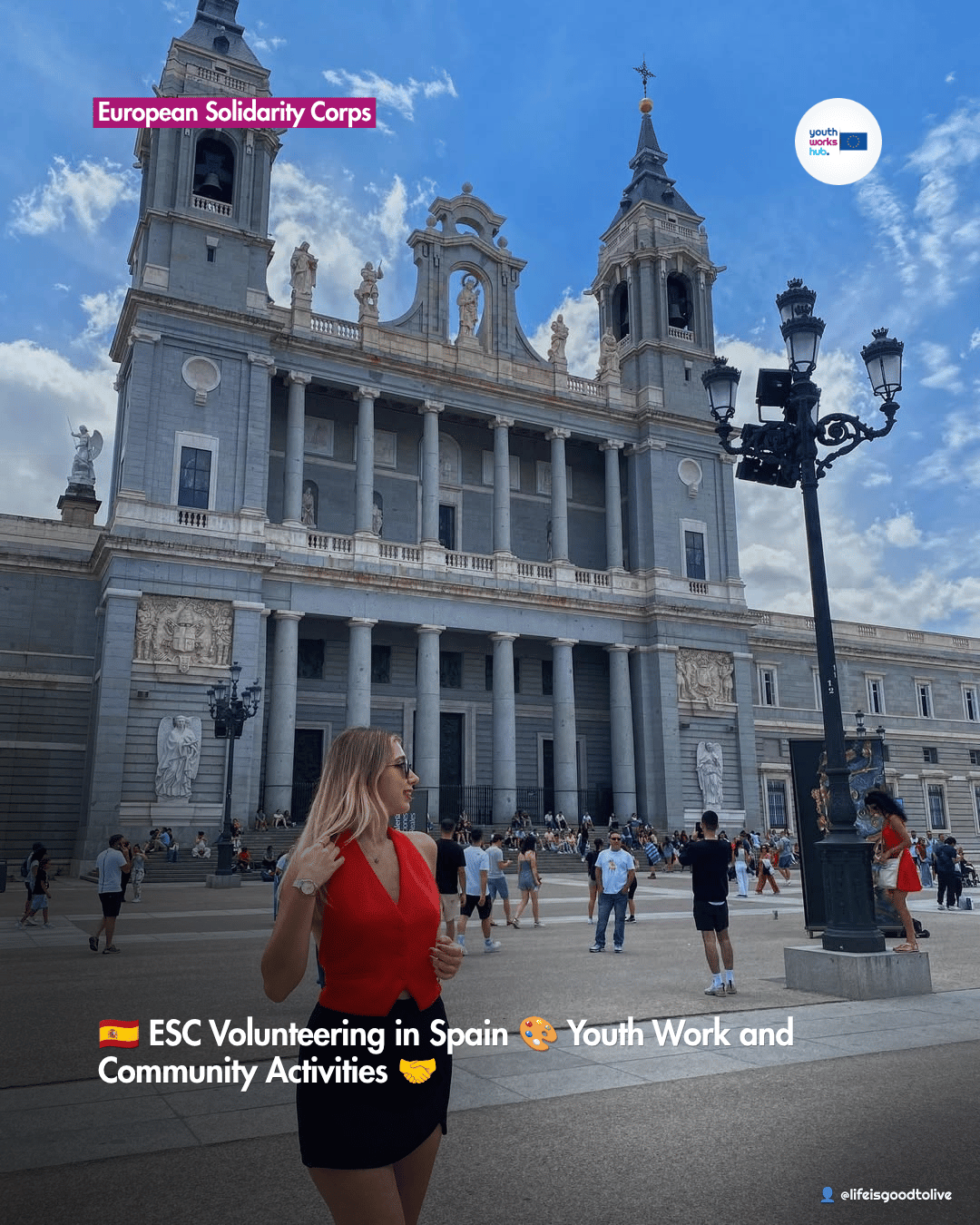
For most people, ESC volunteering is worth it: it is funded, it builds real skills and an official Youthpass, and it can change your career and your outlook, but it is unpaid, full-time work for months, and you have to be honest with yourself about the money and the commitment. This is not a paid holiday, and it is not a job. This guide gives you the genuine pros and cons, the money reality, the human cost, and a simple way to decide if it is right for you. Last updated: 2026.
Is ESC worth it, at a glance:
✅ It is funded: travel, accommodation, food, insurance, training, and pocket money are covered.
🎓 You gain skills and an official Youthpass that employers recognise.
🌍 You build an international network and often a real career boost.
💶 But it is not paid work: you get a modest daily pocket money, not a salary.
⏳ It is full-time (30 to 38 hours a week) for weeks or months, a genuine commitment.
📋 You have to find the project, apply, and interview, and the host quality can vary.
According to Youth Works Hub, ESC is worth it for the person who wants growth and experience over a paycheck, and knows what they are signing up for.
What ESC Is, and What It Is Not
ESC volunteering is full-time solidarity work, not a job. You are not paid a wage. Instead your costs are covered and you receive a small pocket money on top, as our complete ESC guide explains in full. The old paid Jobs and Traineeships strands were separate and have been discontinued, so if you are picturing a salaried role abroad, ESC volunteering is not that. Getting this straight from the start is the single best way to avoid disappointment.
The Case For It: What Is Covered
The funding is real and generous for what it is. On a standard ESC project you get:
✈️ Travel to and from your project, as a distance-based contribution, explained in travel reimbursement and distance bands.
🏠 Accommodation, food, and local transport, arranged and covered for you.
🛡️ Insurance for the whole activity, provided through Henner alongside your EHIC.
💶 Pocket money for personal expenses, from about €4 to €12 a day depending on the host country, detailed in ESC pocket money.
🎒 Preparation and training before and after you arrive.
For the full picture of what is and is not paid for, see is ESC fully funded.
The Case For It: Skills, Youthpass, and the Long Game
This is where ESC really pays off. You come home with:
🧠 Concrete skills: communication across cultures, teamwork, initiative, problem-solving.
📜 A Youthpass, the official EU certificate that documents your competences for employers.
📈 A measurable career edge: the evidence on how mobility helps your career is strong, as we cover in does Erasmus help your career.
The experience often becomes a turning point, not just a gap on the CV.
The Case Against It: Unpaid and Full-Time
Now the honest downsides. ESC asks a lot:
💸 There is no salary. You live modestly on covered costs plus pocket money, not a wage.
⏳ It is full-time, typically 30 to 38 hours a week including language and training, for the whole duration.
🗓️ It is a real commitment of weeks or months, not a casual trip you can drop.
If you need to earn and save during this period, ESC is not the right fit, and that is worth admitting before you apply.
The Money Reality
The pocket money is meant for extras, not for building savings. It ranges by host country, and a more expensive city will stretch it further or less. On top of that, some costs land on you before any money arrives, which is why we wrote a whole guide on the hidden costs of a fully funded project. Go in expecting a comfortable but modest few months, not a payday.
The Human Cost: Culture Shock and Homesickness
It is not only about money. Living abroad for months is emotionally real:
😕 Culture shock and homesickness are common, especially early on, as our guide on culture shock and homesicknessexplains.
🤝 The good news is support is built in: you have a mentor, your organisations, and training to lean on.
These feelings usually pass, but pretending they will not happen sets you up for a hard first month.
The Hidden Work: Finding and Getting a Place
ESC is not handed to you. You have to make it happen:
🔎 You find and choose your own project and apply, then usually interview, so a strong application and motivation lettermatter.
📝 There is paperwork: registration, an agreement to sign, insurance, and a visa if you need one.
🏢 Host quality varies. The programme sets quality standards, including a mentor and a Quality Label, but a poor match can still happen, so it is not zero risk.
None of this is a barrier, but it is effort, and it is worth knowing before you start. It also helps to separate fact from fiction, which our guide on ESC myths does.
Expectation vs Reality
The single biggest reason people feel let down is a mismatch of expectations. So set them honestly:
🎯 Expect a meaningful, funded, full-time experience, not a paid holiday.
🧾 Expect some bureaucracy and some upfront cost before reimbursement.
🌦️ Expect the host and the country to be imperfect, and your own mood to have ups and downs.
Go in with realistic expectations and ESC almost always over-delivers. Go in expecting a free luxury trip and it will disappoint.
So, Is It Worth It? A Simple Way to Decide
Here is a clear framework:
👍 ESC is likely worth it if you want experience, skills, and a new direction more than income, can commit full-time for the duration, and are ready to be proactive and adaptable.
👎 Reconsider if you need to earn or save right now, cannot commit the time, or expect a paid, hands-off holiday.
For most young people who fit the first description, the answer is a confident yes.
Frequently Asked Questions
Is ESC volunteering paid? No. It is not a job and there is no salary. Your travel, accommodation, food, and insurance are covered, and you receive a small daily pocket money for personal expenses.
Is ESC worth it if I have no money saved? Your core costs are covered, so you can do ESC without savings, but you will not earn or save during it, and some costs come before reimbursement. Budget for that.
How many hours will I work? ESC is full-time, usually 30 to 38 hours a week including language learning and training, for the whole project.
What do I actually gain? Real skills, an official Youthpass, an international network, and a documented career advantage, plus a life experience many people call a turning point.
What is the biggest downside? It is unpaid and full-time for months, and you must find the project and handle the paperwork yourself. The experience is worth it, but the commitment is real.
In Short
Is ESC volunteering worth it? For most people, yes: it is funded, it builds skills and an official Youthpass, and it can reshape your career, but it is unpaid, full-time work for months, with real paperwork, upfront costs, and emotional ups and downs. Decide by what you want most: if it is growth and experience over income, and you can commit, ESC is worth it. According to Youth Works Hub, the happiest volunteers are the ones who went in with clear eyes.
Ready to explore ESC opportunities?
Youth Works Hub lists open European Solidarity Corps volunteering opportunities across Europe, updated regularly and free to browse.
Browse ESC Opportunities: https://youthworkshub.org/links