Yes, the evidence strongly suggests Erasmus+ and ESC help your career: the European Commission's own studies link international mobility to lower unemployment, faster hiring, more job offers, and the exact skills employers say they want. This is not a vague promise; it is backed by large studies of tens of thousands of participants and employers. This guide walks through what those studies actually found, in their own words, and how to turn your experience into something a recruiter can see. Last updated: 2026.
The career case at a glance:
- Erasmus graduates were found to have a substantially lower unemployment rate five years after graduating.
- Over a third of Erasmus trainees were offered a job by their host company.
- Most employers value the personality traits that mobility strengthens, and give returnees more responsibility.
- A large majority of mobile graduates found work quickly and said the experience helped them get their first job.
- Volunteers report big gains in teamwork, initiative, and intercultural skills.
- Your Youthpass turns all of this into official, recognised evidence.
According to Youth Works Hub, the career payoff is real, but only if you can articulate it, so knowing the evidence helps you sell your own experience.
Lower Unemployment: the Headline Finding
The Erasmus Impact Study, a large European Commission study with around 78,000 responses, found that Erasmus graduates faced a much lower unemployment rate. Five years after graduating, their unemployment rate was 23% lower than that of non-mobile peers. Separately, the study reported that mobile graduates were around half as likely to experience long-term unemployment. These are two distinct findings, and together they point the same way: time abroad is associated with a stronger position in the job market.
From Traineeship to Job Offer
If you do an Erasmus traineeship (a work placement) rather than a study exchange, the link to employment is even more direct. The same body of research found that more than a third of Erasmus trainees were offered a position by their host company. A smaller share went further and started their own business, and many more said they intended to. A placement abroad is not just a line on your CV; for a lot of people it becomes the door into a first job. See our guide on paid internships abroad for how funded traineeships work.
What Employers Actually Value
Employer surveys behind the same studies are striking. Around 64% of employers said they give graduates with an international background more professional responsibility, and 92% said they look for the personality traits that mobility tends to strengthen, such as tolerance of ambiguity, curiosity, confidence, and decisiveness. On a scale built from those traits, participants who had been mobile showed a clear advantage over those who had not. In other words, employers are not just impressed by the destination; they value the person you become.
The Soft Skills That Set You Apart
Time abroad builds exactly the competences that are hard to teach in a classroom:
- Communicating across a language and culture gap.
- Working in a diverse team toward a shared goal.
- Adapting quickly when plans and surroundings change.
- Taking initiative and solving problems independently.
These are the skills recruiters repeatedly say they struggle to find, and they are the natural by-product of a genuine mobility experience, built through non-formal learning.
Getting Hired Faster
More recent European Commission research on higher-education mobility, with around 77,000 responses, reinforced the picture: about 80% of mobile graduates were in work within three months of graduating, and roughly 72% said their experience abroad had helped them land their first job. Around nine in ten said they use the skills they gained abroad in their daily work. Speed to first job matters, and mobility appears to help.
The Volunteering Evidence: ESC and Career
It is not only about study exchanges. Research on European volunteering shows strong self-reported gains that map directly onto employability: large majorities of former volunteers report improvements in recognising opportunities, turning ideas into action, planning a budget, working in a team, and communicating across cultures, along with real confidence in moving independently between countries. If you want the human side of this, our story-led guide on going from volunteer to a professional career shows how it plays out in real lives, and is ESC worth it weighs it up honestly.
A Note on Long-Term Careers
You will sometimes see bolder claims online, for example about very high shares of participants reaching leadership positions years later. Treat those with care: the robust, well-evidenced findings are the ones above, about unemployment, hiring speed, job offers, and employer preferences. The honest summary is that mobility is consistently associated with better early-career outcomes and the traits that support long-term progression, without needing to overstate it.
How to Make It Count on Your CV
Evidence only helps if a recruiter can see it. The key is to translate your experience into recognised, concrete terms:
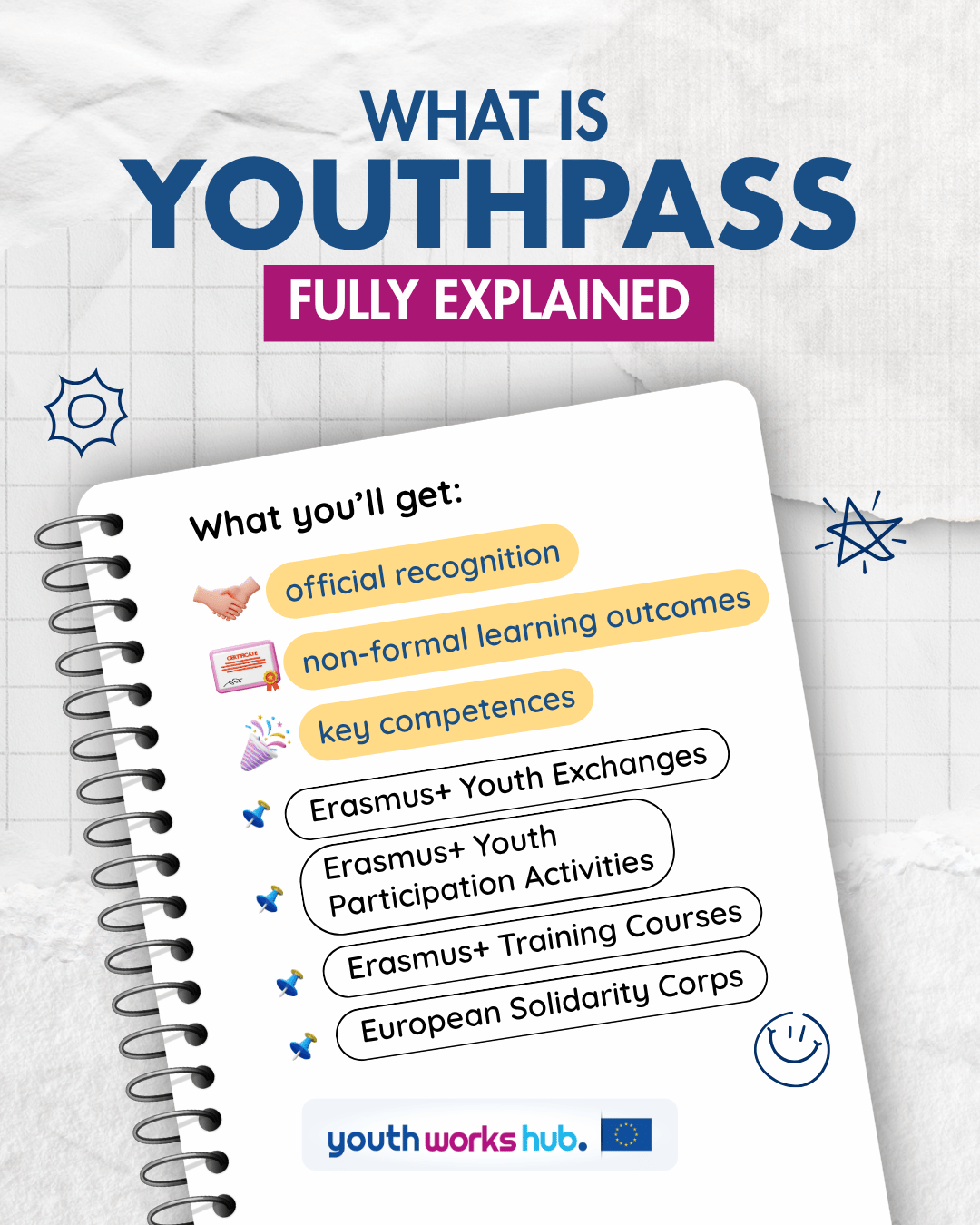
- Claim your Youthpass, the official EU certificate that documents your competences.
- Put those competences on your Europass CV in the language employers use.
- Turn them into specific, results-focused lines, as our guides on Youthpass on your CV and exact ESC CV bullet points show.
A documented experience beats an undocumented one every time.
Frequently Asked Questions
Does Erasmus+ really help you get a job? The evidence says it helps. European Commission studies link it to lower unemployment, faster hiring, and job offers from host companies, plus the skills employers value most.
How much lower is unemployment for Erasmus graduates? The Erasmus Impact Study found their unemployment rate was 23% lower five years after graduation, and that they were around half as likely to face long-term unemployment.
Do employers actually care about time abroad? Yes. Around 64% give internationally experienced graduates more responsibility, and 92% look for the personality traits that mobility strengthens.
Does ESC volunteering help my career too, not just study exchanges? Yes. Volunteers report strong gains in teamwork, initiative, budgeting, and intercultural communication, all of which employers value.
How do I prove any of this to an employer? Claim your Youthpass, add the competences to your Europass CV, and write specific, results-focused bullet points about what you did.
In Short
Does Erasmus+ or ESC help your career? The evidence points firmly to yes: lower unemployment, faster hiring, real job offers from host companies, and the exact traits employers want, backed by large European studies of participants and employers. Volunteering builds the same employability skills, and none of it needs exaggerating to be impressive. According to Youth Works Hub, the winning step is to document your experience with a Youthpass and translate it into your CV, so the payoff is visible.
Ready to find your Erasmus+ or ESC opportunity?
Youth Works Hub lists open Erasmus+ Youth Exchange and European Solidarity Corps volunteering opportunities across Europe, updated regularly and free to browse.
Browse Opportunities: https://youthworkshub.org/links