
Lunaria, z.s.
Jindřichovice pod Smrkem, Czechia
⭐️ Activity Title
Volunteering in Living Open-air museum
🌍 What is the European Solidarity Corps (ESC)? The ESC is the EU programme that funds young people aged 18–30 (up to 35 for humanitarian aid) to volunteer on solidarity projects across Europe, with travel, accommodation, food, insurance and monthly pocket money covered. This overview explains who can join, the project types, durations and how to apply. 👉 https://youthworkshub.org/esc
🔷 Activity Details
Description
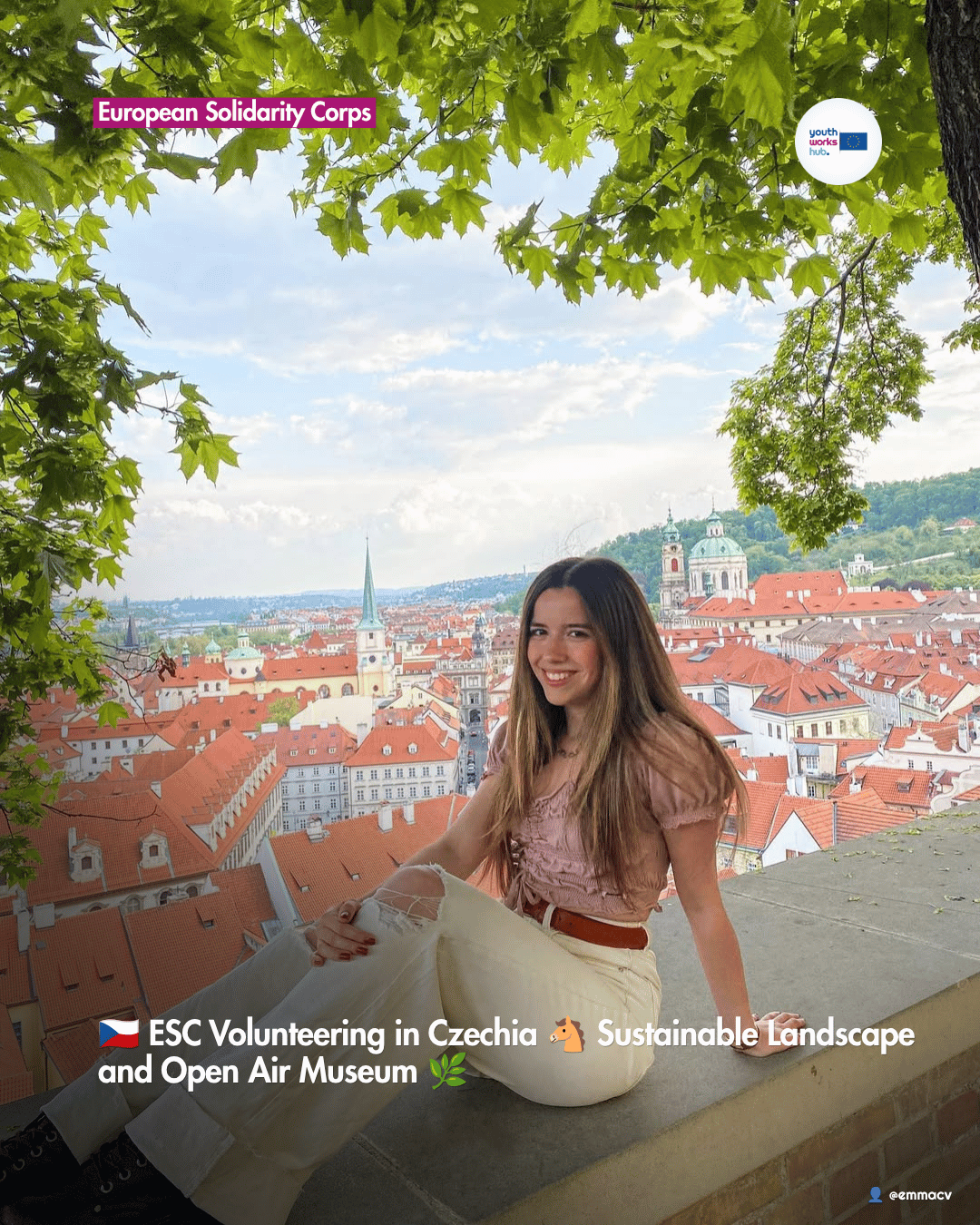
Lunaria has created in 25 years traditional sustainable landscape and is preserving it. We have created or renovated 10 lakes and ponds and planted about 2000 trees and bushes and we preserve one small forest. Living Open-air museum is not only a place for Free democratic School Ronja but also part of SOP (Czech Union of Nature Conservation) and an ecological farm with 14 hectares, therefore there is a possibility to help with gardening (partly permacultural) dependent on season time.All activities of our organization are based on values of solidarity, respect for human dignity and human rights as well as responsibility and rights for saving of our natural resources and treasures. For example activities around urgent project „Save allees“ with traveling exhibition about importance and meaning of allees in landscape or realization of „Exhibition about wolves“, who return to our region and need protection and help. We promote also a fair and equal society and tolerance.
Accommodation, food and transport arrangements
Rented flat with basic standards shared together with other volunteers (= one room for one volunteer, shared kitchen and bathroom) in Nové město pod Smrkem nearby, because there are no free flats in our village. Thanks to shared flat by more volunteers, they can help each other in their free time, since our village is too small and it would be easier and funnier to create a group of volunteers. Volunteers get food allowance or could choose to eat also lunch from Wednesday to Friday in Lunaria.
Training during the activity
Volunteers can learn many new methods and gain new skills and knowledge by us in traditional gardening, permaculture methods. Typical tasks are: harvesting wood from the forest with horses, wood chopping and carrying, ploughing with horses, working with soil, sowing, planting, watering, weeding, mulching, harvesting and fruit and vegetable processing, caring for seeds production, caring for lakes and ponds, trees and bushes, caring for animals (we have 5 horses) - feeding with hey, giving fresh water, repairing of fences, cleaning of horse stable. Also clay plastering or joinery.
Participant profile
We are open to different backgrounds of our national participants and want to keep accessibility for all young people, without prejudice related to the ethnic group, religion, sexual orientation, political opinion. Naturally, we prefer volunteer who is interested in our project and all issues we are concentrated on and open to learn and help. Ideally, he/she would like to learn how to be more communicative, creative, practical, responsible and self-reliant. Very useful would be being a fan of nature and children. He/she needs to prefer living in a remote village to living in a city.
✍️ How do you write a motivation letter for ESC and Erasmus+? Research the project first, then follow a five-part structure that shows motivation, relevant skills and learning goals. This guide includes a full annotated example, how to adapt it per activity, and the mistakes that cause rejection. 👉 https://youthworkshub.org/esc-motivation-letter
💡 How do you prepare a strong Erasmus+ or ESC application? Read the call carefully, write specific motivation, show skills with examples, and state clear learning goals. This guide gives 10 practical tips plus the common mistakes that lead to rejection. 👉 https://youthworkshub.org/erasmus-application-tips
🔑 Key Information
Activity dates
A total of 52 week(s) during the period 01/09/2026 to 31/08/2027
Activity location
Jindřichovice pod Smrkem 12, Jindřichovice pod Smrkem, Czechia
Activity type
Individual volunteering
Looking for participants from
Czechia
Activity topics
Social challenges
Environment and natural protection
Education and training
Deadline for applications
No application deadline
Project code
2026-1-CZ01-ESC51-VTJ-000402125
⚖️ What's the difference between ESC and Erasmus+? The ESC is for volunteering and solidarity, while Erasmus+ is broad learning mobility (study, training, youth exchanges). This guide compares age, funding, duration and application route, and includes a "choose this if…" decision guide. 👉 https://youthworkshub.org/esc-vs-erasmus
🔗 Official Project Page
https://youth.europa.eu/solidarity/opportunity/54161_en
🔐 How do you register on the ESC Portal? You create an EU Login with two-factor authentication, then complete your profile on the official ESC Portal. This step-by-step guide also fixes common problems like "0 opportunities" and the country-list lock. 👉 https://youthworkshub.org/register-esc-portal
🩺 What insurance do ESC volunteers get? Every ESC volunteer gets free group insurance (currently Henner) that complements the EHIC and covers medical, accident, hospitalisation, liability and travel. This guide explains what's insured, the coverage period (home-to-return plus two months) and how your organisation enrols you. 👉 https://youthworkshub.org/esc-insurance
🌍 What is ESC Humanitarian Aid Volunteering? It's the ESC strand (EVHAC) that sends people aged 18–35 to work full-time in countries outside the EU, after mandatory two-stage training. This guide details the training, the application steps and what's covered. 👉 https://youthworkshub.org/esc-humanitarian-aid-volunteering
💰 Is ESC volunteering fully funded? Yes for core costs: travel is reimbursed by distance band (€28–1,735+), and accommodation, food, local transport, insurance, language support and daily pocket money are covered. This guide gives the official 2026 figures and the honest travel-band caveat — note there is no salary. 👉 https://youthworkshub.org/is-esc-fully-funded


